




- Fulfilled by seller
- Custom Quote
- Description
-
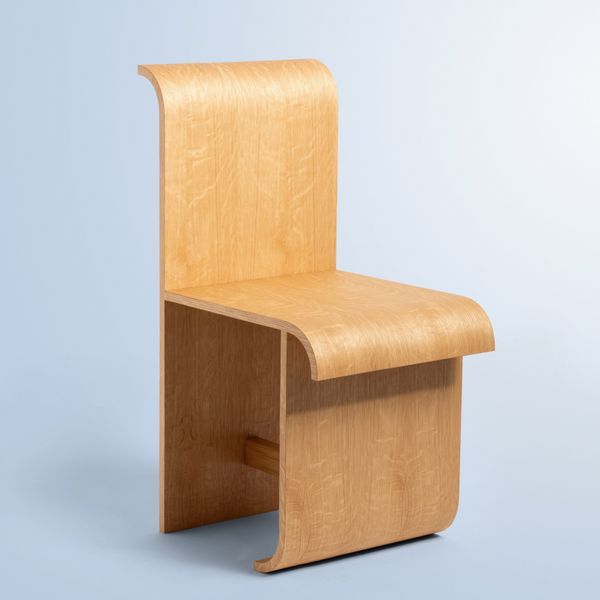
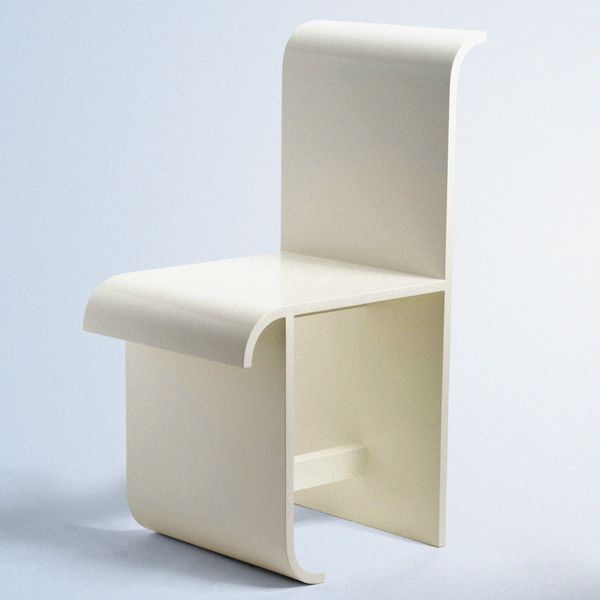
The chimi is an ornamental roof-end tile placed at both ends of the ridge on a traditional Korean hanok's hipped-and-gabled roof. Architecturally, it reinforces the structurally vulnerable ends of the ridge; formally, it traces a dynamic curve suggesting a wing or tail surging upward into the sky. Symbolically, it has long served as a guardian against fire and misfortune, marking the threshold between earth and sky from the building's highest point. Chimi Chair (2) compresses that curve into a more restrained, compact form. The single rounded frame that fuses backrest and armrests into one continuous line scales down the gentle arc the chimi traces at the ridge's end, translating it into a curvature that gently cradles the seated body. A single straight slat runs down the center of the backrest, crossing this curved frame to meet the seat below — a member that structurally marks the very point where the chimi begins its ascent from the horizontal axis of the roof ridge. Below, the two front legs run straight down for stability, while the rear is joined by a rounded stretcher, giving the piece two distinct impressions at once: composed when seen from the front, fluid in profile. The quiet grain of solid oak and a pared-back finish strip away ornament, leaving only the formal tension of the chimi's curve within a refined silhouette. Rather than reproducing the symbolism of the traditional roof, this is an attempt to carry over the logic of its curve, quietly rewriting it as furniture for everyday life.
- Measurements
-
L 23" × W 18" × H 31"
- Condition
- New
- Material
- Solid Oak
- Seller
-
Hwantae Kim
Furniture designer, maker, and educator based in Uiwang-si, Gyeonggi-do, where he runs Mokamjunamoo Woodworking Studio and Studio Mokamju. He holds adjunct faculty positions at Kaywon University of Art & Design (Department of Living Furniture Design) and Hyupsung University (Department of Furniture Design). He completed an M.F.A. in Furniture Design at Hongik University's Graduate School of Industrial Art, with additional training in Western woodworking techniques at Cerritos College's Woodworking Manufacturing Technology (WMT) program and William NG Woodworking School, both located in California, United States.


MeongSeok Bench
$3,500


MeongSeok
$3,500

SeonJaYeon Desk
$20,000


Chimi Chair 3
$2,000


Chimi Chair 1
$4,300
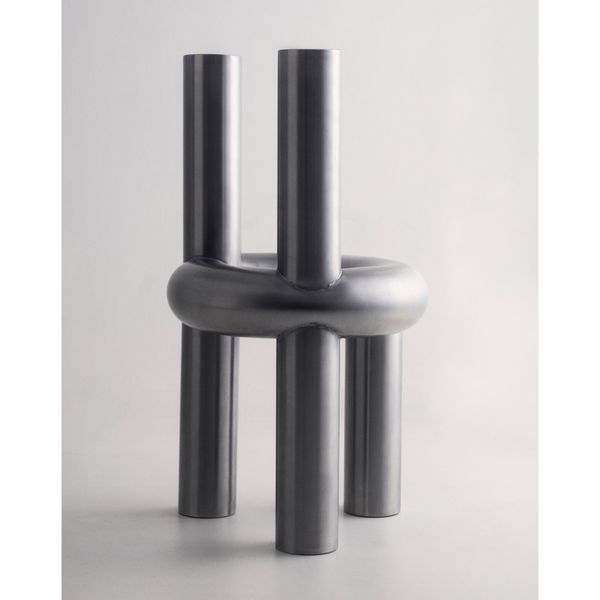
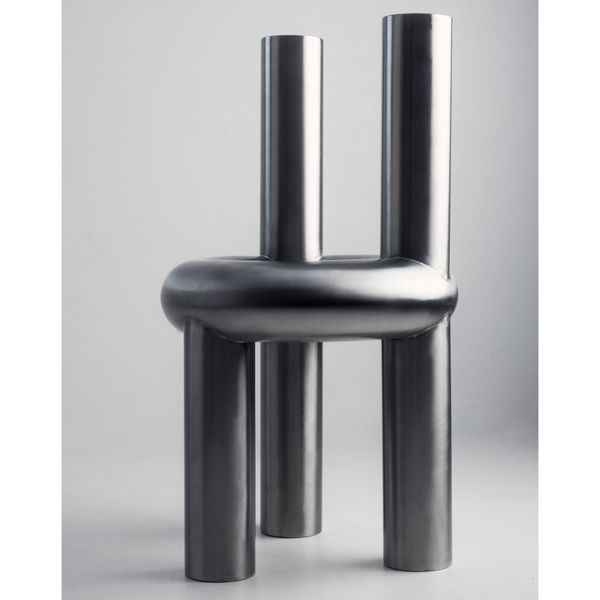
Chunk Chair
$7,420
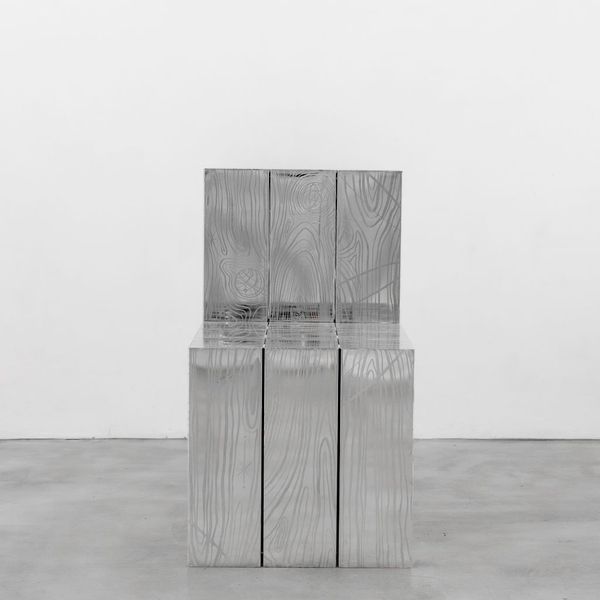
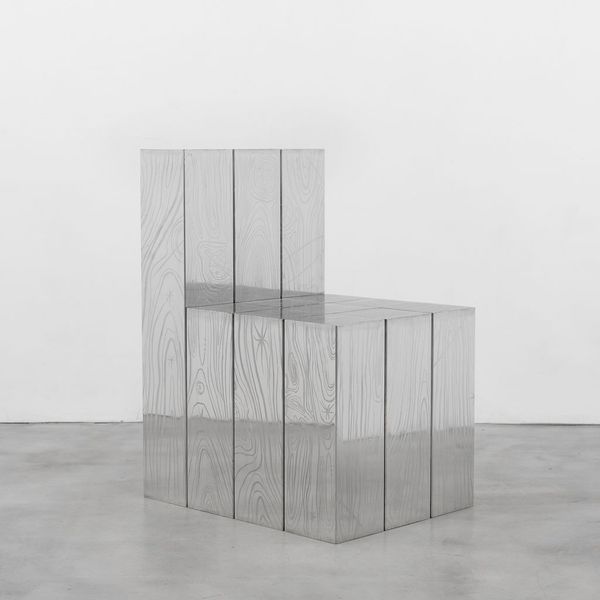
'378' Chair with Dr. Woo
$11,750


Bronze Footstall
$20,500


Settle Chair
$5,700


Silver Console
$12,000
MC III - Chair
$7,500


Bronze Chair
$28,500
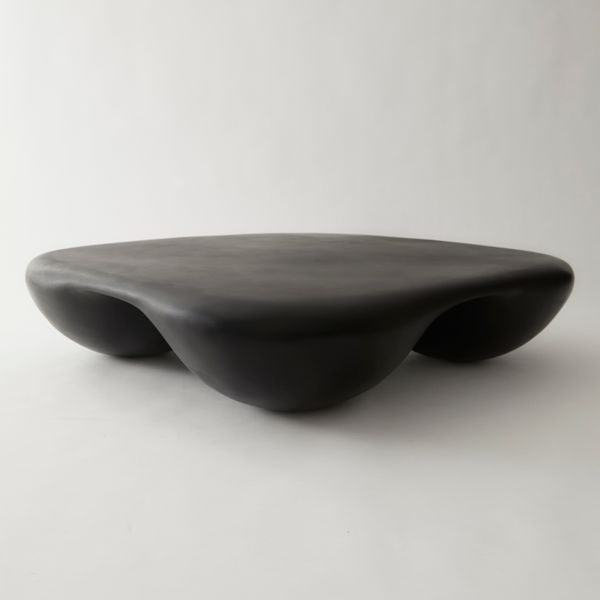
Quad Table Black
$5,450


Silver Stool
$6,650
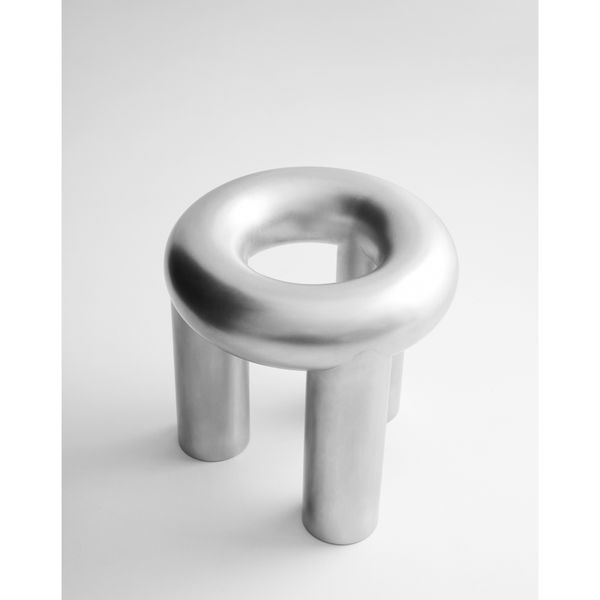
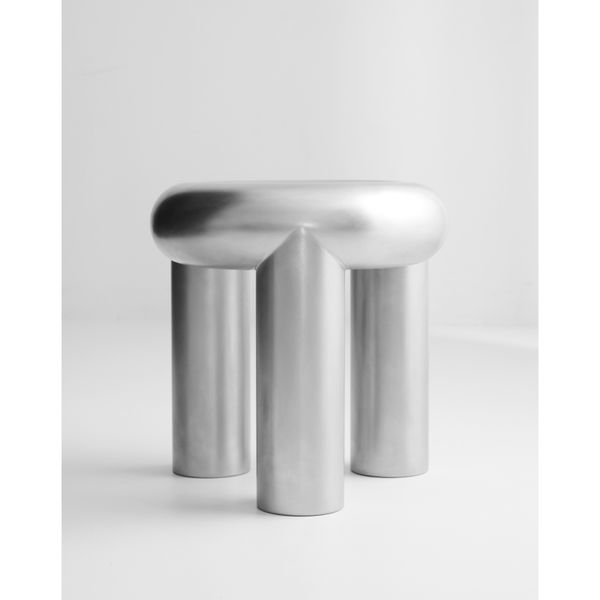
Chunk Stool
$6,780
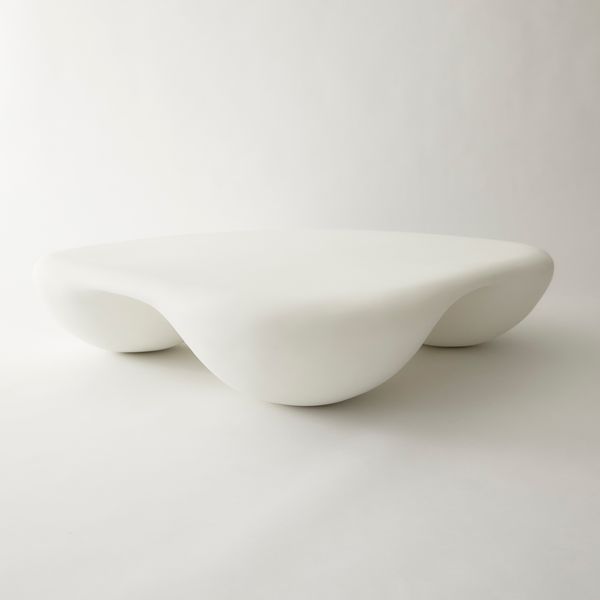
Quad Table White
$4,950


Baeheullim 02
$36,000

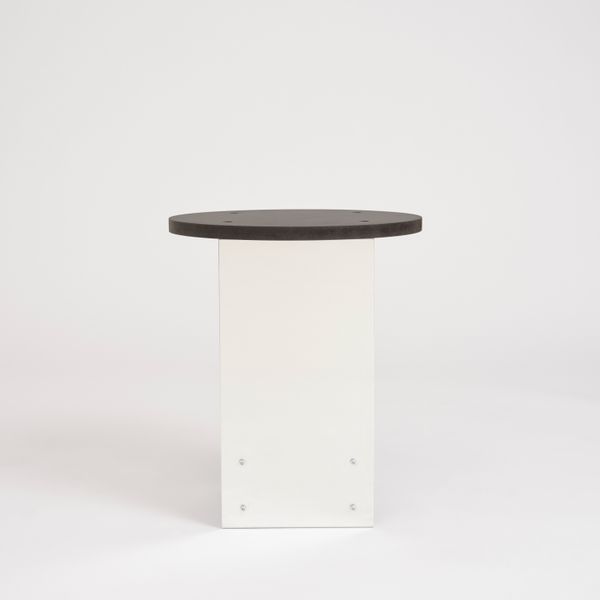
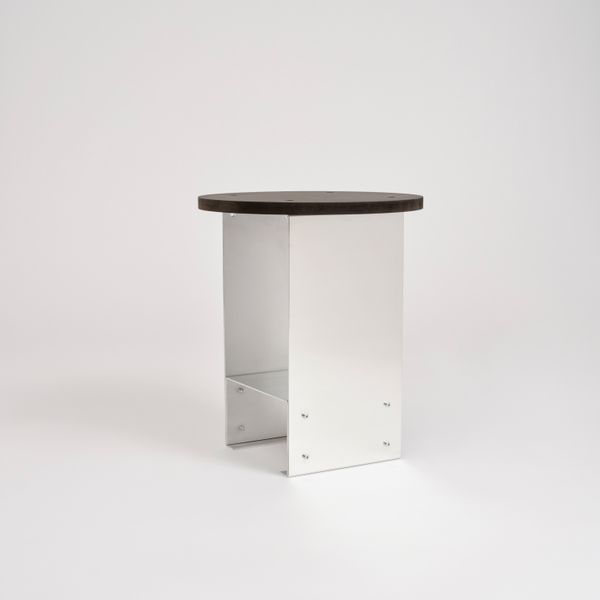
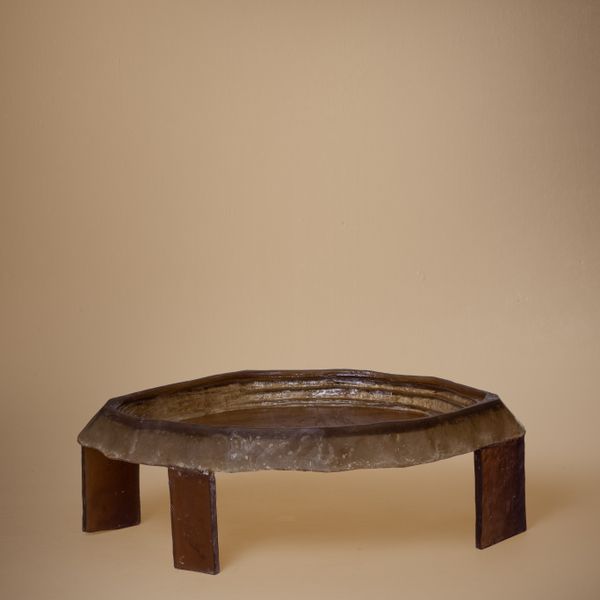
MC IV - Table
$7,800


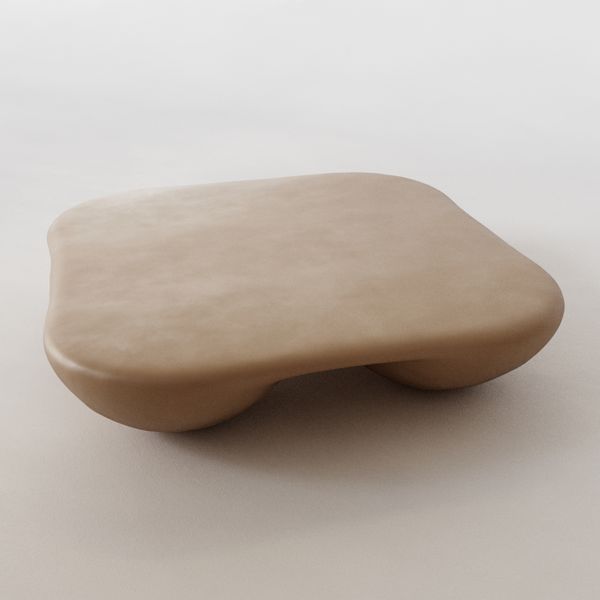
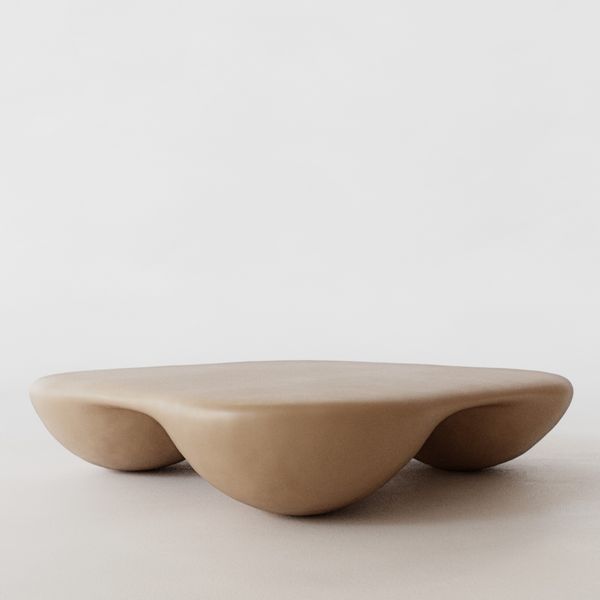
Quad Coffee Table
$5,450